
Etsuko and Keiko’s Unresolved Bond
A Pale View of HillsEtsuko’s account of Keiko moves from practical care and family accommodation to estrangement, death, and a guarded admission of responsibility.
increasing Bearing strength in each event
 decreasing
Bearing strength in each eventdecreasingEarly Family Life
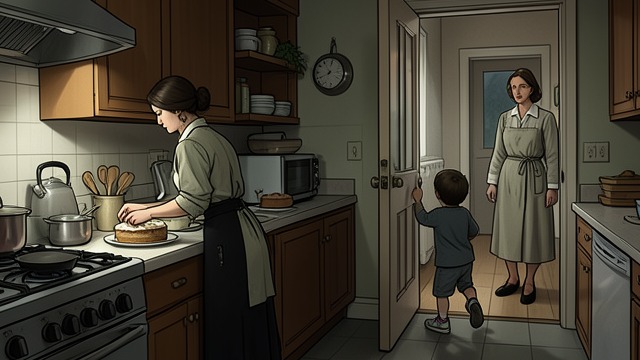
A Daughter in the Household
A shared home
Keiko grows up within Etsuko’s family, and Jiro is a father to her for years. Etsuko remembers him as dutiful and rejects the idea that he was simply the oafish man her later husband imagined.
A family account contested
Etsuko’s insistence that Jiro was a good father complicates any easy explanation for Keiko’s later misery. The history between mother and daughter cannot be reduced to one family member’s character.
Care at the Door
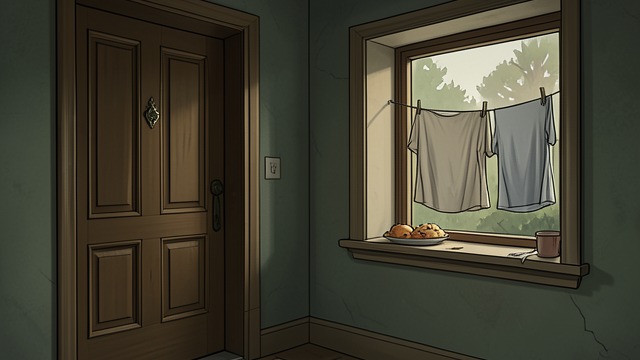
Care from Outside
A narrow routine
Keiko stays in her room and forbids the family to enter. Etsuko leaves food in the kitchen and collects Keiko’s laundry from outside the closed door.
Intimacy without conversation
The practical routine preserves a minimal form of care while leaving mother and daughter largely cut off from each other. Etsuko knows the state of the room but not the inner life that keeps Keiko there.
A Departure Opposed
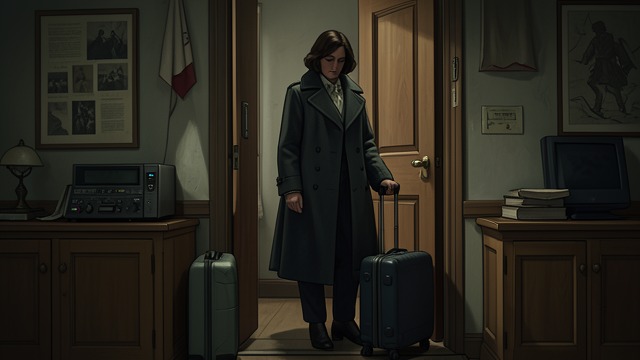
Leaving Home for Manchester
A mother’s resistance
Keiko leaves for Manchester despite Etsuko’s opposition. Etsuko says she believed the outside world would be too much for her daughter and framed her resistance as protection.
Ties severed
In retrospect, Etsuko believes that opposing Keiko’s departure ensured that she left while severing her ties with the family. The memory makes care and control difficult to separate.
Grief in the Bedroom
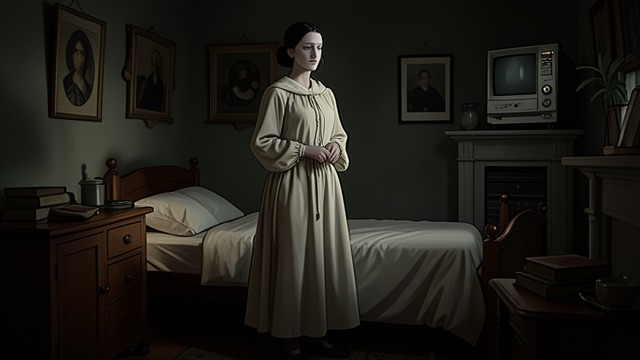
A Mother’s Image
Imagined discovery
Etsuko wonders how long Keiko had been dead before her landlady opened the bedroom door. She continues to picture her daughter alone in the room for days.
A lasting intimacy
Etsuko describes becoming familiar with the disturbing image as one might with a wound. Her grief retains both tenderness and horror, with no comforting explanation for the death.
A Truth Not Reconciled
What Etsuko Knew
An admission to Niki
Etsuko says she knew Keiko would not be happy in England but brought her there anyway. Niki insists that no one could blame her and that taking a risk was better than wasting a life.
The bond remains unsettled
Etsuko ends the discussion rather than accepting complete absolution. The exchange leaves mother and daughter connected by care, anger, and a past neither can fully recover.
before Keiko’s prolonged withdrawal
during the two or three years before Keiko leaves
almost six years before the present-day visit
after the news of Keiko’s death reaches Etsuko
the final morning of Niki’s visit
